Long Term — in an Instant
What is long term?
For some it is longer than 1 second. If a person must wait for that click to upload it seems like an eternity.
For others, waiting for their monthly check requires planning and even sacrifice.
Still, the nine month wait for the birth of a child is a lifetime.
Sometimes it feels like the teenage years will never end.
Retirement? Do people even plan for that anymore?
Certainly today, long term is much, much shorter than ever before.
Generally speaking, people today access and process information so fast, long term decision making and planning is becoming more and more somewhat of a novelty. With one click on your phone, within 1 second, you can tell how any specific financial vehicle or index is performing right now. You can determine what mortgage interest rates are right now. You can tell the exchange rate in Canada, how much money is in your account, or the price of virtually any product which exists, right now.
There are many important items you cannot access right now with the click of the button. Some may dismiss anything they can't instantly receive. This lack of a long term vision may cause some to cut corners, to focus again on instant gratification, or attempt to win the lottery. These illusions create many more problems than they solve.
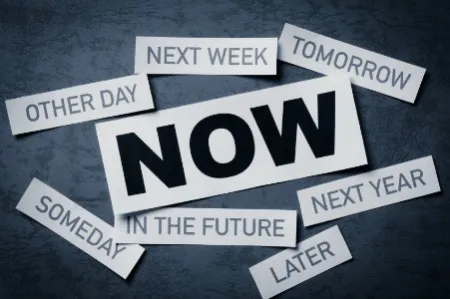
Yet really the lack of long term planning means many people miss out on the benefits of long term synergies and planning. Long term thinking has intent and substance, even sacrifice and care. History, freedom, sacrifice, patriotism; care, charity, right and wrong typically take nurturing and time in order to see their fruits.
"My parents had a strong impact on who I am today. My mother and dad both encouraged us to think about the long term - where you wanted to be - to think about education, to think about what is right and what is wrong, and to do things that will help you in the long run."
— Tony Dungy
The disciplines of saving, investing, adjusting, growing, time-value of money, compound interest, are all long term propositions. Updates, adjustments and debits and credits may all be immediate, however the decisions and processes should be made with long term goals in mind.
Interestingly enough, permanent life insurance is a great example of long term intent. The very nature of accumulation of cash values, tax deferred growth and access to these values are all long term in nature. Ultimately life insurance is purchased today on behalf of a future date potentially twenty to forty years in the future. Most policies perform closely to their projected returns. One "bad" year shouldn't cause a surrender of a policy. Even in "bad years" the principal is protected, the benefit remains intact, and over time these policies have continued to perform and provide the intended benefits.
Creating your own Captive Insurance Company serves both immediate as well as long term needs. The company protects an operating company immediately. However, these companies should be created with a long term thought process as claims will vary from year to year. These companies preserve capital, accumulate surplus and similarly to the operating company it insures, these companies must season, adjust, and mature over time.
Certainly instant, drive through experiences serve a valuable purpose at home, work or play. Responsiveness is a proper expectation for people and should be met with prompt call, text or reply. Expectations should be met and communicated upfront whether that is within the day, week, month, or year and service can and should be provided as much or as little as requested.
Another instance for taking quick action is when proper research, facts, and your situation calls for getting started. Reading, asking questions, and ultimately understanding financial products, strategies and solutions require action. These actions should be taken NOW. Taking action now regarding your future is in both your long term and immediate benefit, and creates
Your Link to Security!