
Flying and Captive Compliance
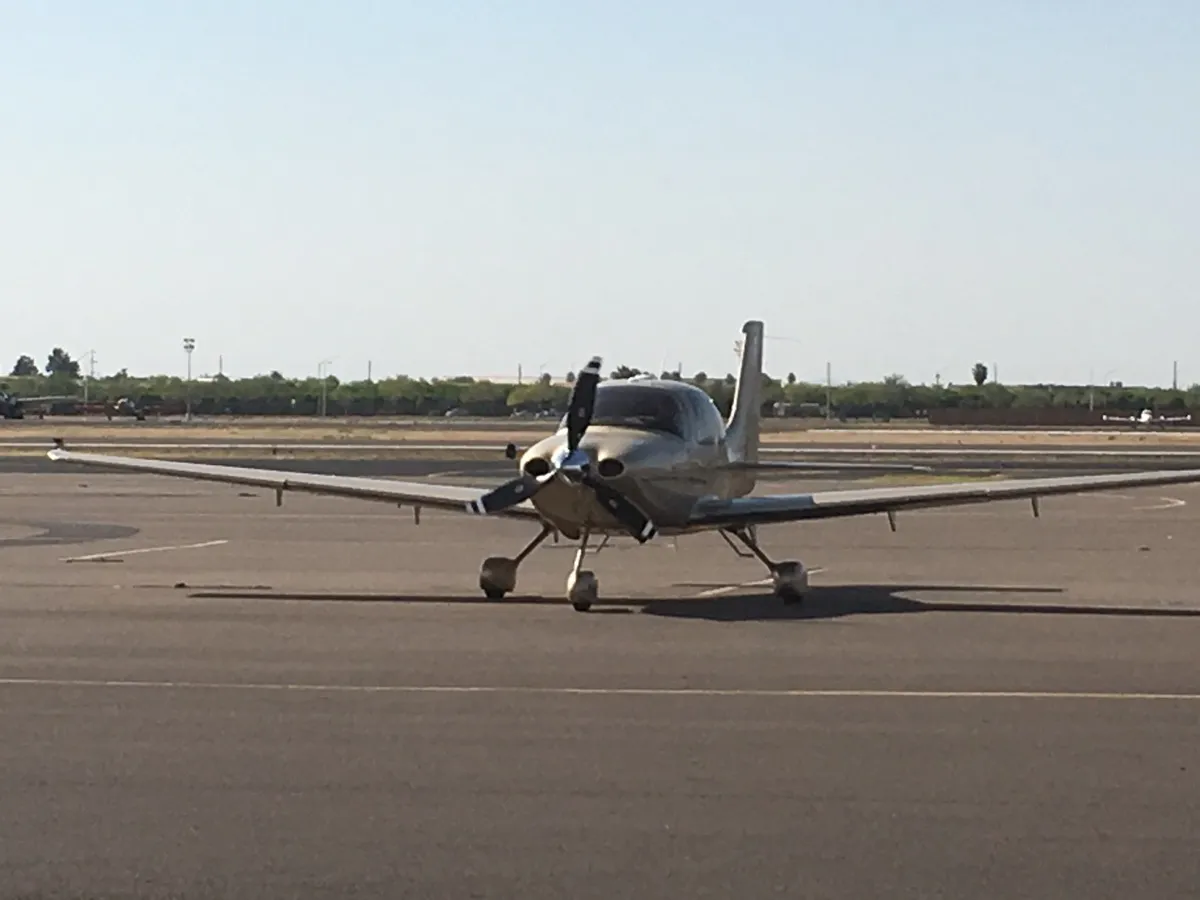
Recently I had the opportunity to ride in a small airplane, I mean really ride in the cockpit of a Cessna and experience the life and death consequences of proper compliance regarding the many safety checks and constant procedures as well as the ongoing attention and maintenance required for flying.
Long before I was airborne, the pilot had met the necessary requirements for himself as well as his plane to safely take off the ground, fly to a destination while maneuvering updrafts, downdrafts, air currents, mountains, other aircraft, varying temperatures, moisture while flying as well as the techniques and variables associated with landing the aircraft. This included hours and hours of training, supervision, practice and experience.
The time spent in preparation, actual flying, and trustworthiness can be summarized in a simple word: discipline. The discipline to continue with the routine, make proper adjustments along the way, and the discipline NOT to put the aircraft, and those on board in danger under any circumstances was clear to me as I always felt safe.
One simple example of this was checking the weather well in advance, a day in advance to determine whether or not to even travel at all to a particular destination and knowing the boundaries and how to stay within them. A little rain in the forecast was acceptable, the thunderstorms and lightning were NOT. Even the potential of these possible dangers would cancel the flight.
During flight, there are constant adjustments due to temperature, wind, fuel, and those dreaded blue lines. The blue lines on the screen identified clearly where the plane was not allowed to enter, at what elevation, and the consequences of entering had been clearly explained during training and continuously emphasized to stay clear of.
By proper training and execution, the pilot easily stayed far away from those blue lines and in fact would never consider testing the boundaries.
Both at the beginning of the flight as well as the landing, additional communication and concentration were required. The pilot proactively called the tower, listened for confirmation, and confirmed confirmation before taking off or landing.
During the flight, there are multiple ways the pilot received proper input, communication vital for the ongoing success of the flight. At any time, the ability to speak with air traffic control, the administrator, who could always see the bigger picture including coordination of additional aircraft, timing, and unseen weather threats were accessible, available, as well as sometimes required.
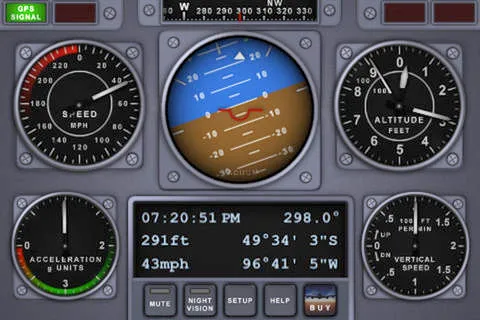
Additionally, the on-going instrument panel readings provide active details of wind speeds, direction, power, fuel among other details necessary for success. These details are duplicated and each critical piece of information has a back-up.
As a simple bystander, it seemed to me there was an over-abundance of compliance and regulation. To the pilot, the compliance is a necessary part of the process for a successful flight from beginning to end.
Captive insurance has many similarities:
In order to properly create and maintain a Captive insurance company to protect a business, there is a right way with safety and compliance checks along the way and then there are many other ways, shortcuts and non-compliant dangers to avoid. There are back-ups in place, and levels of pre-checks and post-checks not only while creating, but in maintaining and executing your Captive insurance company, even through to the completion of coverage.
Here's some of the pre-flight compliance ALINK Captive Insurance Services and our Best in Class administrator addresses:
- Engagement- 8886 forms
- Underwriting- 3rd party actuaries
- Application- 3rd party review
- Approval- Proper ownership of the CIC
- Closing- Domicile
Additional on-going compliance and execution:
- Audit - Insurance reserves
- Claims- Reinsurance
- Claim process- Risk transfer & distribution
- Asset management procedures, efficiency, and compliance for insurance purposes
As a simple bystander, it seems as though there is an over-abundance of compliance and regulation. To me, the compliance is a necessary part of the process for a successful flight from beginning to end.
Knowing the boundaries and having countless hours of training, creating, managing, and complying with Captive Insurance regulation enables us to be safe throughout the Captive process. Compliance is Your Link to Security
Your Link to Security!