
Apples to Apples: Comparing Medical Benefit Plans
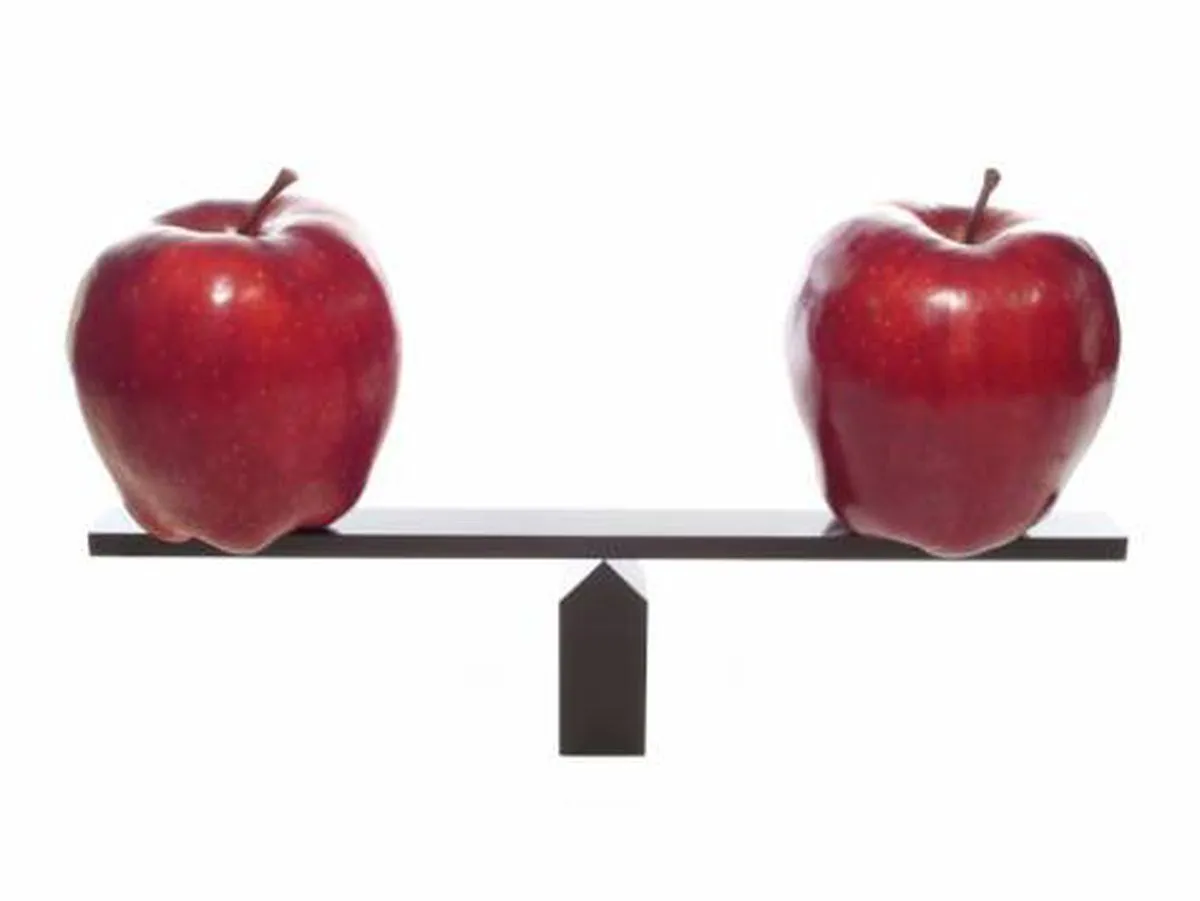
Red delicious, Jonathon, golden delicious, red empire, your choice here…..
How many types of apples exist? You're not going to see this many kinds of apples in the grocery store, but there are 7,500 varieties of apples in existence throughout the world—2,500 of which are grown in the United States. The selection feels overwhelming, so we stick to what we have mostly selected in the past, selecting the type we have always selected, because that's what we have always done.
When it comes to Medical benefits, the selection of the plan commonly follows this similar pattern. Business owners and HR departments select the plan that has always existed, because "that's the way we have always done it here".
So the business keeps doing what always has been done. And health care companies continue to increase the costs.
At first look, exploring a different option totally appears, seems, looks like, or gives the appearance of apples to oranges comparisons. The apple has a different color, size or initially sounds different, like "la manzana" or "pomme." In the end, they are still apples, with a different name or color.
Possible apple to apple comparisons may be your network, or high-deductible options within your plan, or service provided by health brokers, and continuing to pay the United's, Cigna's, Anthem's, EMI, or Aetna's of the world. These companies are great and continue to be very profitable, with your yearly increases. Yes there are differences, and choices, and relationships involved.

However, a closer look and understanding of medical benefit plans reveals powerful insight, and better yet, opportunity! Remember in a traditional fully funded health plan, you are paying for each of these services all-in-one:
- Plan Design
- Administration (TPA)
- Network
- Pharmacy Benefits / Prescriptions
- Stop-loss
At a premium! An ever increasing premium.
For those companies initially exploring better ways to manage medical benefit packages, the evaluation may be challenging, it will initially seem similar to evaluating apples to oranges, yet evaluation is entirely possible. In short order, the reality is you will be evaluating your medical benefits, apples to apples.
Evaluating information, data, spreadsheets, risk, cost and savings is always simplest when evaluating apples to apples. Wise, experienced, or savvy individuals are those who see how the individual pieces work together, not only now, but in the future. These people are able to think ahead, and see opportunity. Transparency of data, history, and expenses are critical to properly evaluate benefit plans.
What about self-funded medical benefit programs? Again, at first look self-funded plans may appear like an apples to oranges comparison, or even worse, apples to brick comparisons.
The same components of existing benefit packages are in place in self-funded plans. The difference is each component is shopped and implemented independently of each other. The result of this process is usually lower costs, typically 10% to 30% bottom line savings.
So what is "self-funded"? A self-funded healthcare plan, sometimes referred to as a self-insured, or partially self-funded healthcare plan, is a healthcare plan in which the employer assumes the financial responsibility for providing health care benefits to its employees. The employer is responsible for paying claims as they are incurred instead of paying a fixed premium to an insurance carrier. The irony is that employers in fully funded plans are also responsible for paying these same claims, just through their regular premium.
Over two thirds of employers elect to self-fund. This number is expected to increase in the coming years with the fastest growing segment being employers with 50 to 250 employees. There are numerous reasons employers elect to self-fund benefits with the primary motivations being control, transparency and cost savings.
Each of the components of a traditionally fully funded plan is still in place with self-funded or partially self-funded plans.
It's still Apples to apples. And apples lead to Fruit Cocktail as well as
Your Link to Security!