Three Categories of Coverage in Your Captive
Categories of Coverage in your Captive
There is significant opportunity for an organization to create a new multi-million dollar profit center by owning your own insurance company. This Captive Insurance company will be unique to your organization – insuring exposures based upon a variety of items including regulatory compliance, scale, specific or unique exposures you want to insure, and timing, etc..
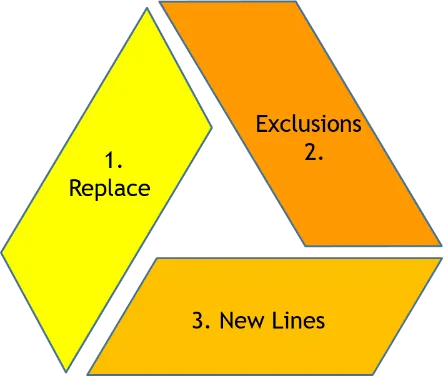
Understanding your existing risk management completely allows Alink a clear picture to then identify and ultimately provide you with the insurable options available, and the potential economic impact. As we review your existing coverages there are 3 specific categories of coverage we are identifying for you:
Replacement.
Exclusions.
New lines.
You have the flexibility to determine which lines you replace (if you choose), how important to insure exclusions (if you choose), and add coverage for existing exposures currently not formally insured (if you choose).
Here are three specific examples and details of each:
Replacement. Directors & Officers coverage. Understanding that you currently are paying a 3rd party carrier for this coverage creates a significant opportunity for you. You are paying $_______ for this coverage. With your own Captive insurance company, you would have the exact same coverage, yet your insurance company would retain the underlying profits (minus claims).
Not all coverages are replaceable due to State insurance requirements, or the underwriting scale or lack of scale of a particular company. Additional capitalization may also be required.
- Exclusions. One of the terms for this is DIC or difference in conditions or gaps in coverage. Insurance policies typically are simple and direct, and then list 45 pages of what is NOT covered, or exclusions. For example, your property coverage items typically insured are only the physical building. The exclusions may include a pandemic, bed bugs, earthquakes, and more. These exclusions are easily insured in your own Captive insurance company.
- Another way to be more efficient is through the limits of a deductible. Raise the specific limit on your existing policy = lowers the cost of that catastrophic policy, use those proceeds to insure that deductible in your Captive insurance company. Your Captive is then taking on the risk in an efficient manner.
- New lines of coverage. Here's an example: Trade Credit. Trade credit insurance is also sometimes called accounts receivable insurance – protects businesses when a customer or sub-contractor fails to pay a trade debt. This coverage may or may not be of benefit to you, the importance varies from organization to organization.
There are many additional exposures that are currently being informally self- insured, meaning the owner is responsible for losses from their operating account. Insuring those exposures in your Captive is formal, with limits and boundaries.
These lines of coverage are available. Often they are considered low in frequency, yet high in severity so business owners choose to informally self-insure these exposures as they may become a sunk cost when paying premium to a third party. When formally insuring these exposures in your own Captive Insurance Company, premiums now become potential profits while providing the protection desired.
These are just a few examples based upon the information and policies gathered. All of the Categories of Coverage are available to insure in a Captive Insurance Company. Some Captive Insurance companies insure one line of coverage, while many insured multiple lines of coverage. Once the existing risk management policies and data are received and evaluated, Alink will show you many options and the economic impact of owning your own Captive.
"If you choose" has been mentioned several times. The ability to choose gives you control -better control over your risk management program and most importantly, better control over the economics of your risk management. Risk management is most likely not on the top of your priority list, a Multi-million dollar economic benefit may be . Captive Insurance is
Your Link to Security!